
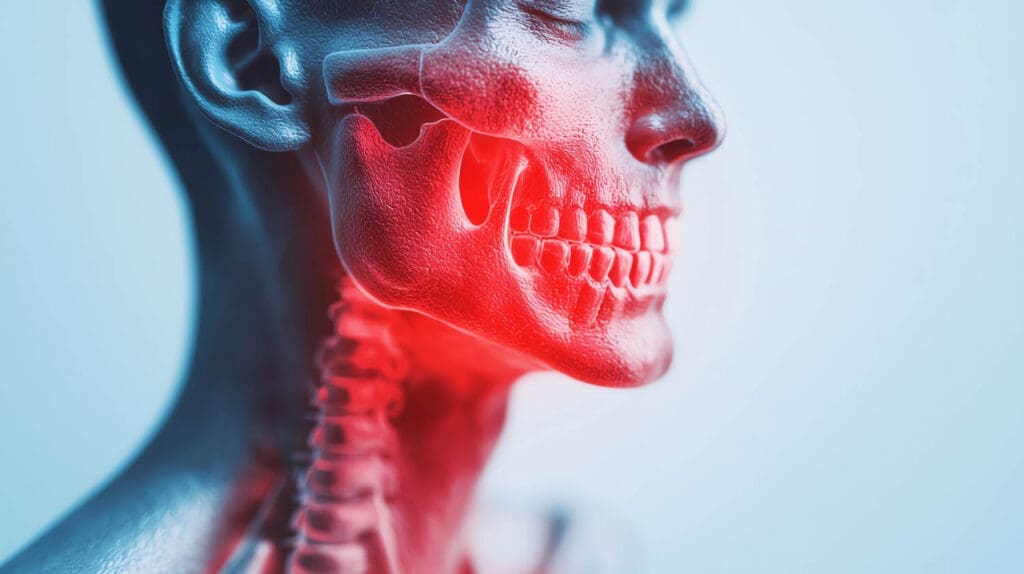
Does your jaw click every time you chew? Ever wake up with a headache and wonder if it’s something more than just a bad night’s sleep? You’re not alone. Many folks in Okemos, Michigan, and beyond find themselves grappling with the discomfort of TMJ disorder. This condition affects the temporomandibular joint, which connects your jaw to your skull, and can lead to significant pain and inconvenience in your daily life. But fear not! Understanding the symptoms, causes, and treatments can help you regain control over your jaw health.
Could the secret to alleviating your jaw pain lie in understanding the complexities of TMJ disorder?
Key Takeaways
-
TMJ disorder affects the joint connecting your jaw to your skull, often causing significant discomfort
-
Common symptoms include jaw pain, headaches, and difficulty chewing
-
Causes range from injury to stress, with a variety of treatment options available
-
Both non-surgical and surgical treatments exist to manage TMJ symptoms effectively
-
Early intervention and lifestyle adjustments can prevent the disorder from worsening
What is TMJ Disorder?
TMJ disorder, often abbreviated as TMDs, is a condition that plagues the temporomandibular joint—the hinge connecting your jaw to your skull. When this joint or the surrounding muscles are out of whack, it can lead to jaw pain, headaches, and even difficulty speaking or chewing. Imagine trying to enjoy your favorite meal, only to be met with a sharp, unexpected pain. Not fun, right?
The temporomandibular joint is a complex structure, sort of like the Swiss army knife of your facial anatomy. It allows you to talk, chew, and yawn, facilitating a range of motions. However, because it’s so intricate, it’s also susceptible to disorders. When this joint is affected, it can disrupt jaw function, making daily activities a chore.
TMJ disorders aren’t just about a little annoyance; they can significantly affect your quality of life. Untreated, these disorders can lead to chronic pain, impacting your ability to enjoy social interactions and meals. For some, the symptoms are sporadic and mild. For others, they’re persistent and debilitating. This variability makes diagnosis particularly tricky, as symptoms can overlap with other conditions.
In Okemos, Michigan, where we value our health and well-being, understanding TMJ disorder is the first step in finding relief. If you’ve been experiencing jaw pain, it might be time to delve deeper into what could be affecting your jaw joint. After all, knowledge is power when it comes to managing your health.
Common Symptoms of TMJ Disorders
Jaw pain is often the first tell-tale sign that something’s amiss with your temporomandibular joint. But TMJ disorders don’t stop there. They’re like an unwelcome guest that brings along a whole entourage of issues. From headaches to earaches, the symptoms can be as varied as they are uncomfortable.
Headaches and earaches frequently accompany TMJ issues, often leading sufferers to believe they’re dealing with sinus problems or even migraines. If your jaw is also clicking or popping when you move it, that’s another red flag. It’s the joint’s way of telling you something’s not quite right.
Chewing can become a Herculean task with TMJ disorders. Imagine struggling with your favorite steak or even a simple apple because your jaw locks or swells. The discomfort doesn’t just stop at your jaw; it can spread to your face, causing facial pain and stiffness.
Some people notice that their jaw locks, leaving them unable to open or close their mouth fully. This can be particularly problematic, especially during meals or conversations. The joint dysfunction leads to discomfort that can disrupt your day-to-day activities, making even the simplest tasks feel like a challenge.
If you’re experiencing these common symptoms, it might be time to consider whether TMJ disorder is at the root of your discomfort. Recognizing the signs early can lead you to seek appropriate help and prevent the disorder from worsening.
Exploring the Causes of TMJ Pain
So, what’s causing all this jaw drama? The reasons for TMJ disorders are as varied as the symptoms themselves. For some, it starts with a jaw injury—maybe an accidental elbow during a basketball game or a slip and fall. For others, arthritis can be the culprit, gradually wearing down the joint over time.
Teeth grinding or clenching, often unconscious habits, can also lead to TMJ pain. Stress doesn’t help either. It can exacerbate these habits, adding fuel to the fire of your jaw discomfort. Misalignment of the teeth or jaw, often hereditary, can lead to further complications, putting undue stress on the joint and surrounding muscles.
Your lifestyle and habits play a significant role in oral health and the onset of TMJ disorders. It’s not just about what you eat but how you handle stress and how often you engage in activities that might strain your jaw muscles. Ignoring these aspects can lead to a vicious cycle of pain and dysfunction.
Understanding the causes of TMJ pain can give you a roadmap to better jaw health. By identifying the root of the problem, you can work towards effective solutions that address the specific triggers of your discomfort.
How TMJ Disorders are Diagnosed
When it comes to diagnosing TMJ disorders, it’s a bit like putting together a puzzle. Dentists start with a physical exam, checking for tenderness, clicking sounds, or anything out of the ordinary in your jaw joint. It’s the first step in uncovering the mystery of your jaw pain.
Imaging tests like X-rays and MRIs can provide a clearer picture of what’s happening beneath the surface. These tests reveal joint dysfunction that a simple exam might miss, offering valuable insights into the severity of your disorder.
A detailed medical history is another crucial piece of the puzzle. Your dentist will ask about any past injuries, stress levels, and habits like teeth grinding. This comprehensive approach helps paint a fuller picture of your condition.
Evaluating your bite and jaw function is also vital. Dentists often look at how your teeth align and how your jaw moves. This assessment helps in pinpointing the exact cause of your TMJ issues, leading to a more accurate diagnosis.
Remember, an accurate diagnosis is crucial for effective treatment. Without it, you might end up treating symptoms rather than the underlying problem, leading to prolonged discomfort and frustration.
Effective Treatment Options for TMJ Disorder
Once you’ve got a diagnosis, it’s time to explore treatment options. The good news? There are plenty of ways to tackle TMJ disorder, each tailored to your specific needs. Custom mouthguards, for instance, can reduce teeth grinding, offering significant relief.
Physical therapy is another effective treatment, helping to improve jaw movement and reduce pain. It’s all about strengthening the muscles and increasing flexibility, making everyday activities more manageable.
Pain relievers, both over-the-counter and prescription, can ease TMJ-related discomfort. They provide temporary relief while you explore more long-term solutions. Stress management techniques, such as yoga or meditation, can also alleviate symptoms by reducing muscle tension.
Consistent treatment delivers the best results. It’s not just about trying one thing and hoping for the best. A combination of treatments, tailored to your specific needs, often yields the most effective outcomes.
Non-Surgical TMJ Treatment Approaches
Surgery might sound daunting, but the good news is that many people find relief from TMJ disorder through non-surgical methods. Lifestyle changes, for instance, can have a profound impact on your symptoms. Simple adjustments can make a world of difference.
Hot or cold compresses provide temporary relief, easing pain and reducing swelling. They offer a quick fix for those moments when your jaw feels particularly troublesome. Jaw exercises, on the other hand, improve muscle strength and flexibility, offering more sustainable relief.
Dietary adjustments can also ease chewing discomfort. Soft foods reduce strain on your jaw, allowing it to heal and function more efficiently. Cognitive-behavioral therapy addresses stress-related pain, helping you manage the emotional aspects of TMJ disorder.
These nonsurgical treatments offer a range of solutions for TMJ pain relief. By combining these approaches, you can create a comprehensive plan that addresses both the physical and emotional aspects of your condition.
Surgical Treatments for Severe TMJ Disorders
Sometimes, despite your best efforts with non-surgical methods, surgery becomes necessary. But don’t worry, surgical options are more advanced and less invasive than ever before. Arthroscopy offers a minimally invasive option, allowing surgeons to address joint issues with precision.
Open-joint surgery is another option for severe TMJ damages. It’s typically reserved for cases where other treatments have failed, providing relief when other methods fall short. Arthrocentesis, a less invasive procedure, flushes out inflammatory byproducts, offering relief with minimal downtime.
In extreme cases, joint replacement might be necessary. While this option is rare, it’s available for those who need it. Surgery is typically the last resort, considered only after other treatments fail to provide relief.
Consulting with a specialist can help you determine if surgical treatment is right for you. With their guidance, you can make an informed decision about the best course of action for your specific condition.
Tips for Managing and Alleviating TMJ Pain
Managing TMJ pain doesn’t have to be a Herculean task. With a few simple tips, you can alleviate tension and find relief. Gentle jaw stretches, for instance, can reduce muscle tension, offering immediate comfort.
Reducing stress is another crucial step in managing TMJ-related pain. Techniques like yoga or meditation can help you cope with stress, reducing its impact on your jaw. Maintaining good posture supports jaw alignment, preventing unnecessary strain.
Avoiding hard foods is another practical tip. By opting for softer options, you can prevent jaw strain and allow your joint to heal. Regular dental check-ups also play a vital role in monitoring your TMJ health, catching issues before they escalate.
By incorporating these tips into your daily routine, you can manage your TMJ symptoms effectively and improve your quality of life.
Success Stories: Finding Relief from TMJ Disorder
Success stories abound when it comes to TMJ treatment. Many patients have reported significant improvements with physical therapy, finding relief from persistent jaw pain. Custom mouthguards have alleviated nighttime teeth grinding, offering a peaceful night’s sleep.
Stress reduction techniques have also lessened TMJ symptoms for many, proving that a holistic approach can yield impressive results. Consistent use of home remedies has improved daily comfort, making life with TMJ disorder more manageable.
Professional guidance has led many to a pain-free life, highlighting the importance of seeking help from experts. These success stories offer hope and inspiration for those dealing with TMJ disorder, proving that relief is possible with the right approach.
When to Seek Professional Help for TMJ Issues
Persistent pain is a clear signal that it’s time to seek professional help. If you’re struggling with chronic discomfort, don’t hesitate to make an appointment with your dentist. Difficulty opening or closing your mouth is another red flag, indicating a need for professional evaluation.
Chronic headaches may also indicate TMJ involvement, requiring a closer look at your symptoms. Noticeable changes in bite alignment warrant further investigation, as they can lead to more severe issues if left unchecked.
Early intervention is key in preventing the worsening of TMJ disorders. By seeking professional help at the first sign of trouble, you can address issues before they escalate, ensuring a more comfortable and pain-free life.
In closing, understanding TMJ disorder is the first step in finding relief. By exploring symptoms, causes, and treatments, you can take control of your jaw health and improve your quality of life. Have you considered how lifestyle changes might alleviate your TMJ symptoms?
—
By engaging with these insights, you can take the first step towards alleviating TMJ disorder’s impact on your life. Have you found success with any of these treatments, or do you have questions about your TMJ journey? Let’s keep the conversation going!
Frequently Asked Questions
What is the best cure for TMJ?
Finding the best cure for TMJ (Temporomandibular Joint Disorder) often depends on the individual. Common solutions include physical therapy, stress management, and pain relievers. Some people benefit from using a mouthguard to prevent teeth grinding. In more severe cases, a doctor might suggest injections or surgery. It’s important to consult with a healthcare professional to determine the most effective treatment plan tailored to your specific needs.
What is TMJ triggered by?
TMJ can be triggered by various factors, including stress, teeth grinding (bruxism), jaw injuries, arthritis, or even poor posture. Stress often leads to clenching or grinding teeth, which can strain the jaw muscles and joints. Sometimes, the exact cause is unknown, but understanding potential triggers can help in managing and reducing symptoms. Consulting with a healthcare provider can help identify and address specific triggers for better management.
Is TMJ a permanent condition?
TMJ isn’t always a permanent condition. Many people experience relief with proper treatment and lifestyle changes. While some individuals may have chronic symptoms, others might only deal with temporary discomfort. Early intervention and adopting healthy habits, like reducing stress and avoiding hard foods, can significantly improve symptoms. Consulting with healthcare professionals can help devise a plan to manage and potentially resolve symptoms over time.
Is it better to go to a doctor or dentist for TMJ?
Whether to see a doctor or dentist for TMJ depends on your symptoms. Dentists often handle jaw-related issues and can provide mouthguards or suggest dental solutions. However, if your symptoms are severe or involve more than just the jaw, a doctor might be better suited to address broader health concerns. Sometimes, a collaborative approach involving both professionals can offer the most comprehensive care.